
The scale can't tell you if you're losing fat or muscle. A comprehensive, InBody-powered assessment can.
Metronome pairs the InBody 580 — the same professional-grade bioimpedance analyzer used in research and sports-medicine settings — with a grip strength test for a modern, complete picture of how your body is actually changing, not just what it weighs. Fat loss, muscle mass, hydration, and functional strength, all in a few minutes, built directly into your GLP-1, hormone, and midlife optimization care and read by your physician, not printed and handed over.

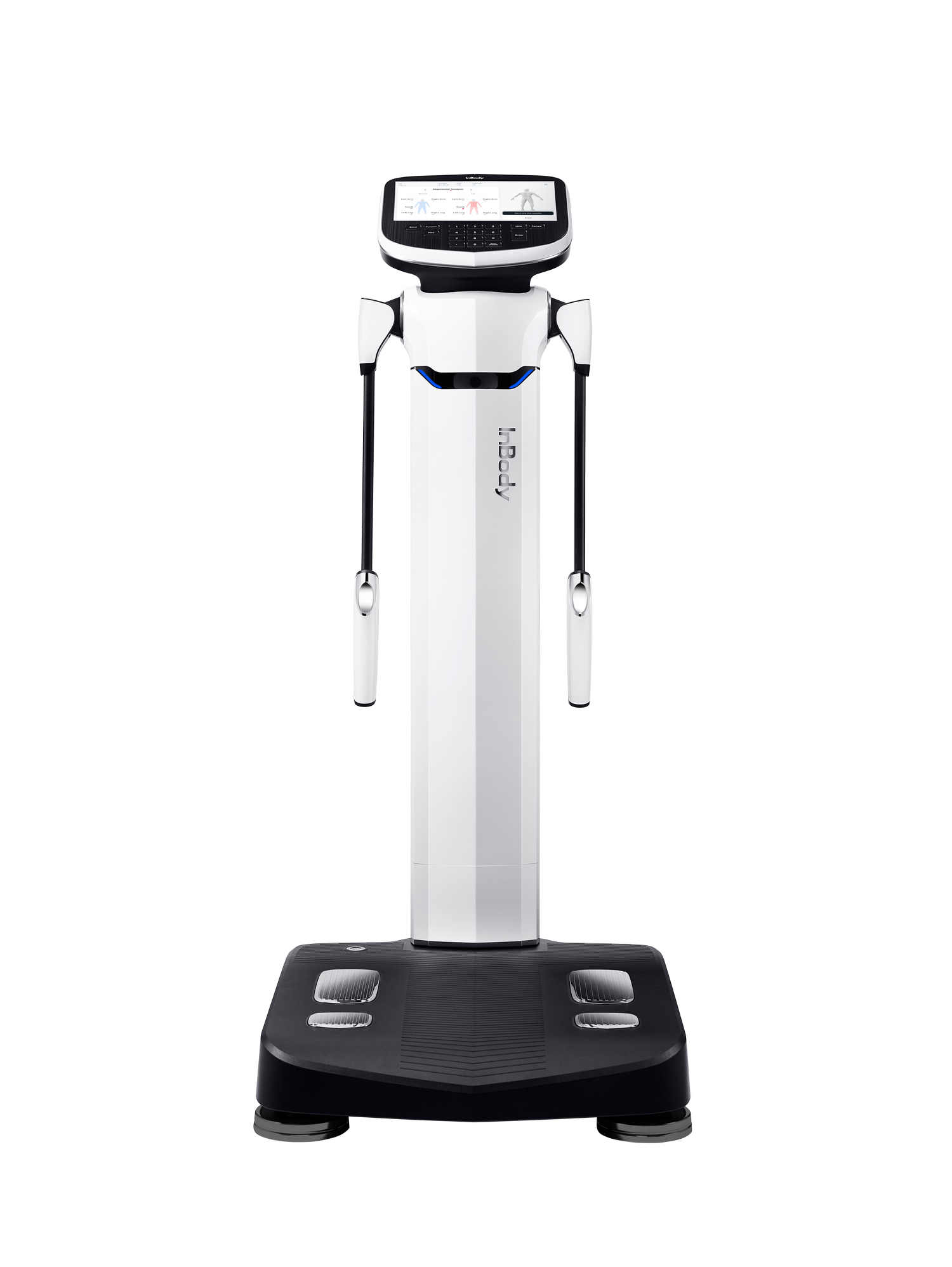
A Clinical-Grade Look Beneath the Scale Number

The InBody 580 uses bioelectrical impedance analysis (BIA) — a safe, painless current run through hand and foot electrodes — to break your weight down into what actually matters: how much is fat, how much is muscle, and how it's distributed across your body. Paired with a grip strength test, segmental analysis of each limb and trunk gives Dr. Juan insight into your current health status, potential areas of inflammation, whether the muscle you have is actually functional, and which nutrition and training approach will work for you — not just a number on a scale.
Body Fat %
Your true fat mass, not a scale-weight estimate that can't tell a muscular frame from an overweight one.
Skeletal Muscle Mass
Tracked segmentally — arms, legs, and trunk individually — so muscle loss shows up long before it's visible.
Visceral & Segmental Fat
The metabolically active fat around your organs, which matters more for health risk than total weight.
Phase Angle
An advanced marker of cellular health and nutrition status the InBody 580 measures segmentally — most consumer scales can't.
Total Body Water
Hydration status broken into intracellular and extracellular water — useful context for GLP-1 patients and hormone therapy alike.
Basal Metabolic Rate
The calories your body burns at rest, calculated from your actual muscle mass — not a generic height/weight formula.
Lose the Fat. Keep the Muscle.
Weight loss is not the same as fat loss. GLP-1 medications are remarkably effective at shrinking the number on the scale — but research consistently shows that roughly a quarter to as much as 40% of the weight lost on any aggressive weight-loss plan, including GLP-1 therapy, can come from lean muscle if protein intake and resistance training aren't dialed in.
That's the difference between weight loss and body recomposition. At Metronome, a comprehensive InBody and grip strength assessment is part of your GLP-1 protocol — a baseline before you start, then rechecks roughly every 2–3 months — so if muscle is dropping faster than fat, or that muscle is losing strength, Dr. Juan can adjust your protein targets, your training guidance, or your dose before it shows up as a problem, not after.
Learn About Medical Weight Loss →of total weight lost during GLP-1 therapy can be lean mass rather than fat — unless it's actively monitored and countered with adequate protein and resistance training. Metronome tracks this directly instead of leaving it to the scale.
Most InBody Clinics Stop at the Scale. We Didn't.
A body composition scan alone tells you fat and muscle. It doesn't tell you whether that muscle can generate real strength, whether your blood pressure is trending the wrong direction, or whether your results are even being interpreted from an accurate height. Metronome has built out the full InBody-connected onboarding system — body composition, grip strength, blood pressure, and precise height — so every visit adds to one synced record Dr. Juan actually uses, not four machines producing four separate printouts. It's a level of integrated monitoring you don't typically find layered together at a primary care office.
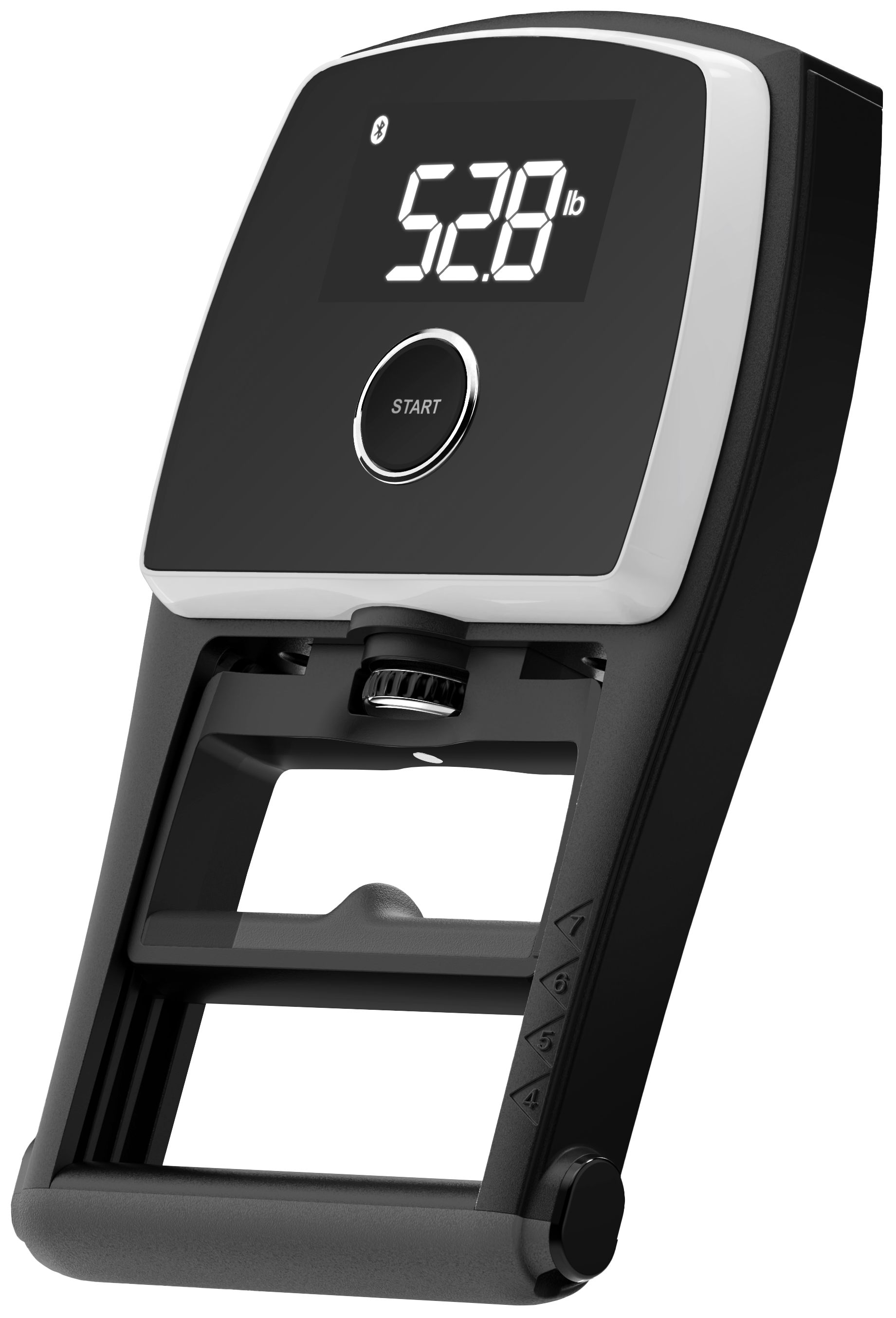
 Functional Strength Monitoring
The One Number That Predicts More Than Blood Pressure
A landmark study following more than 140,000 adults across 17 countries, published in The Lancet, found that grip strength predicted all-cause and cardiovascular mortality more strongly than systolic blood pressure — making it one of the simplest, most reliable markers of healthy aging.
Metronome uses the InGrip Dynamometer, which pairs wirelessly straight into our InBody system. Every grip strength reading becomes part of one continuous record Dr. Juan reviews with you — a functional, real-world check on whether the muscle mass your InBody scan shows is actually translating into strength, especially through midlife and during any weight-loss protocol.
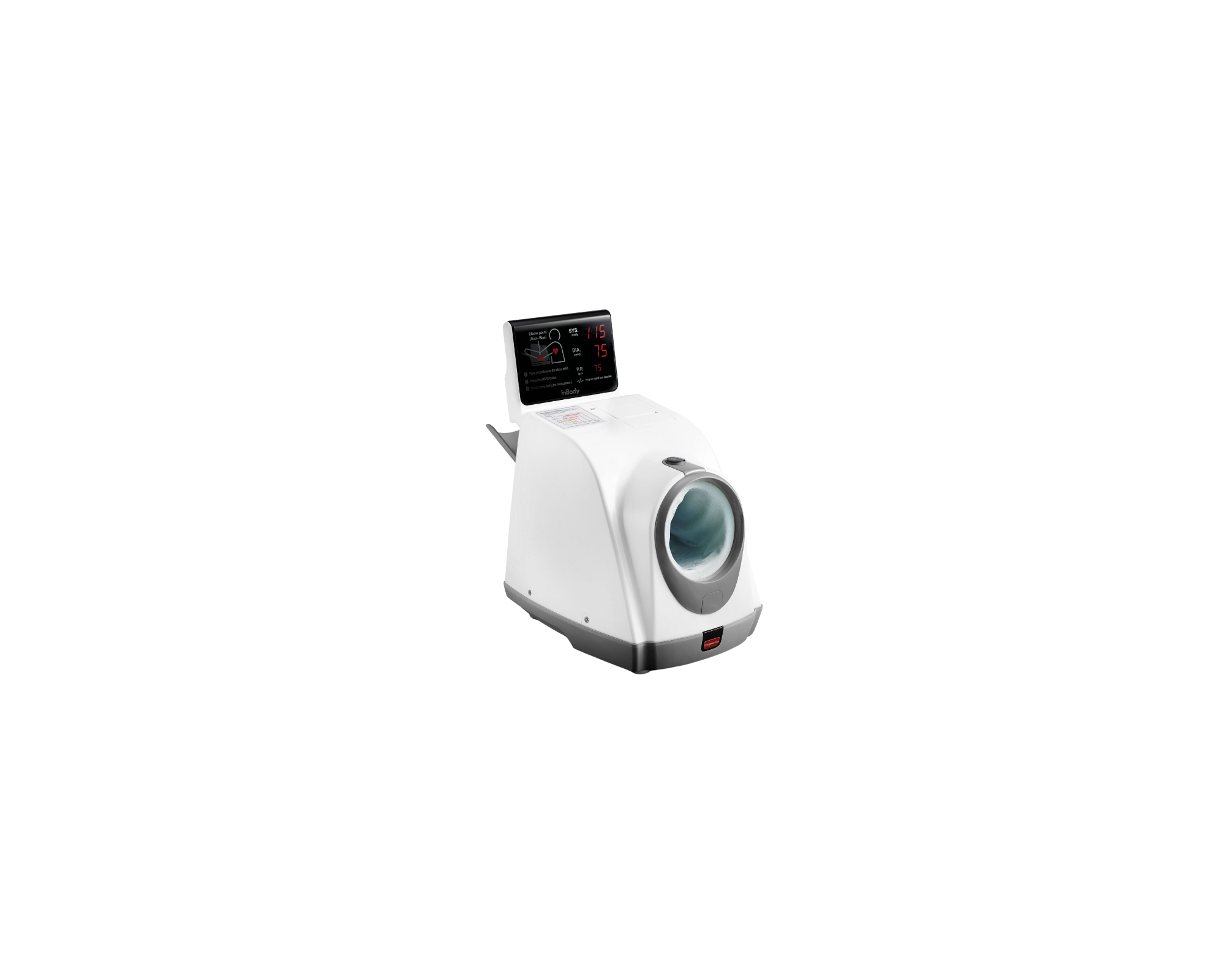
 Blood Pressure, Done Right
A Reading Worth Trusting
Most blood pressure checks happen rushed, over a sleeve, with a stopwatch and a guess at cuff size. The BPBIO 750 is a fully automated, clinical-grade monitor — ambidextrous, so either arm works, with voice-guided positioning and a cuff that fits and calibrates to you. One 30-second test produces a complete result: systolic and diastolic pressure, mean arterial pressure, pulse pressure, pulse rate, and rate pressure product — detail a quick manual check simply can't capture.
Like your InBody and grip strength results, every BPBIO 750 reading is saved and trended over time, so Dr. Juan sees a pattern — not a single number on a single day — and can fold it into your hormone, weight-loss, or cardiovascular care.
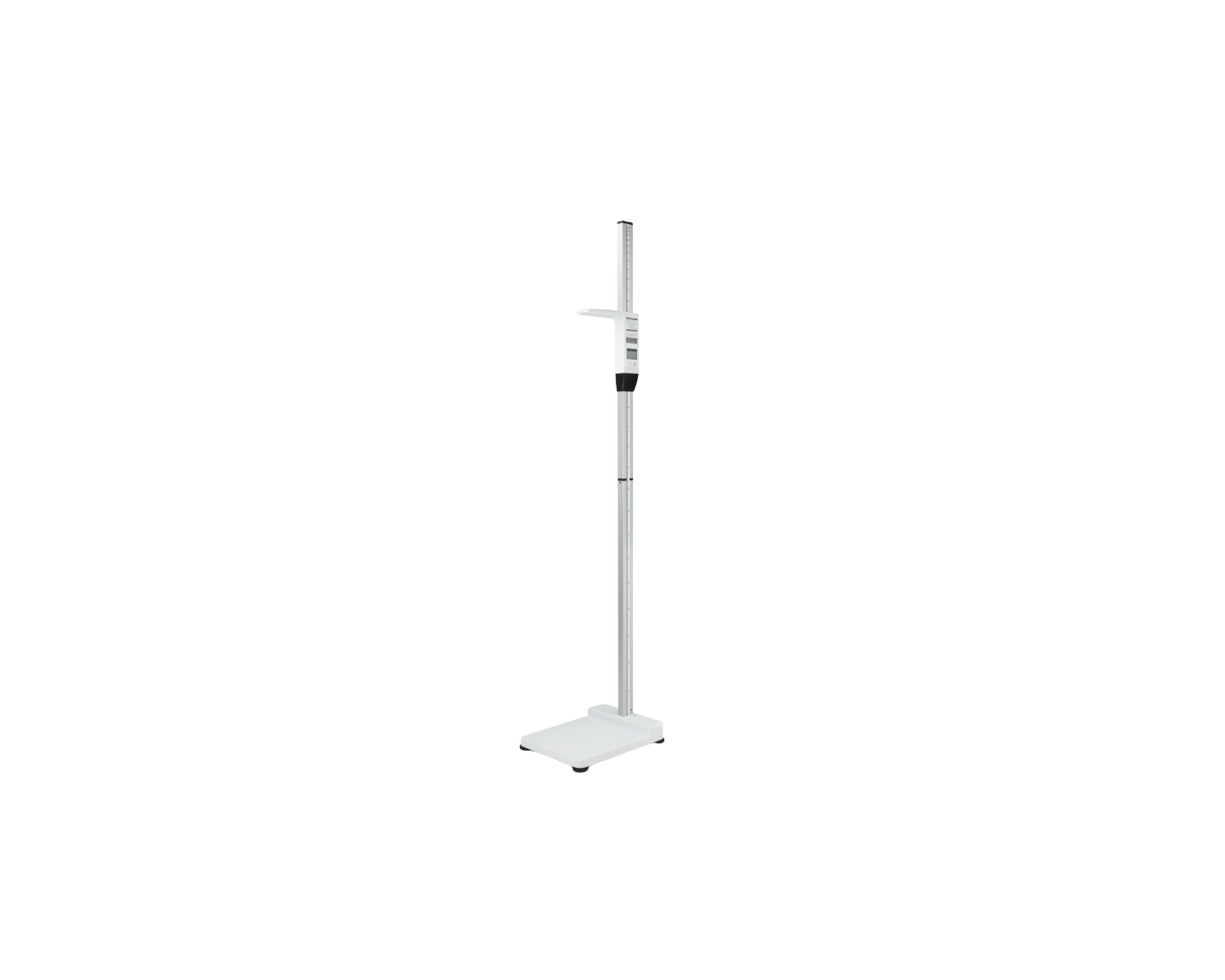
An Accurate Height Changes More Than You'd Think
Height feeds directly into your basal metabolic rate and how your InBody results are interpreted — so an inaccurate wall ruler quietly throws off everything calculated on top of it. Our digital stadiometer measures precisely from just over a foot tall through 6'10", runs cordless and battery-powered so it isn't tied to an outlet, and syncs its reading directly into your InBody record with one touch.
It's accurate for every patient who walks through the door — from a child's well visit to a routine adult physical — and it's one more data point that's actually captured correctly instead of estimated.
Your Comprehensive Assessment, Built Into Your Care
Baseline Scan
InBody 580, InGrip strength, BPBIO 750 blood pressure, and a precise height all captured at your first visit — takes minutes, no prep required.
Physician Interpretation
Dr. Juan reads the segmental results himself and folds them into your GLP-1, hormone, or midlife vitality plan — not a generic printout.
Ongoing Rechecks
Rescans roughly every 2–3 months track real change — fat down, muscle preserved, strength holding — and adjust your plan accordingly.
Rescan frequency and any associated cost are set by your current membership terms and may be adjusted over time.
Same Device the Gold-Standard Clinics Use. A Physician Actually Reads It.
A stand-alone body composition scan at a gym or rec center front desk usually runs $20–50 and hands you a printout to interpret yourself. A DEXA scan is more precise but often costs $200 or more per visit and isn't paired with anyone managing your medication or training.
Most InBody partner locations — gyms, spas, even some clinics — offer the scale and stop there. Metronome pairs it with grip strength, blood pressure, and precise height in one synced system, and every result is discussed with Dr. Juan in the context of your overall health, not handed to you as a printout to decode on your own.
Begin the Conversation →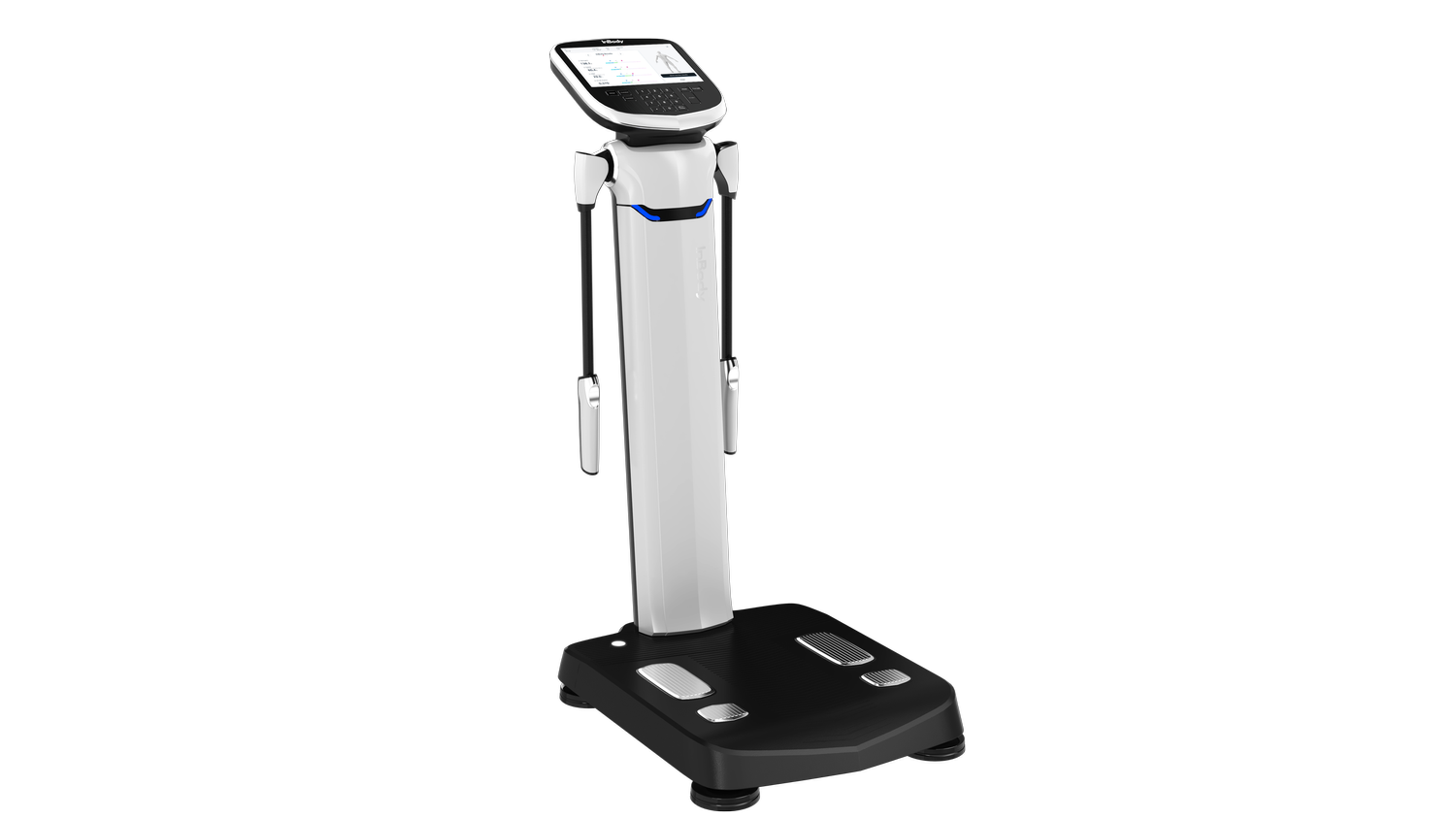
See what's actually changing — not just what the scale says.
Schedule a consultation to build a comprehensive body composition and grip strength assessment into your GLP-1, hormone, or midlife care plan.